As companies plan for 2024 and beyond, the combination of geopolitical uncertainties, climate instability, and the threat of recession continues to impact agility, resilience, and profitability. Organizations are grappling with disruptions that extend far beyond the traditional scopes, requiring a strategic recalibration to weather the storm and emerge stronger in the face of adversity.
In this year’s report, you’ll discover why a commitment to bolstering digital transformation strategies through investment in innovative technologies will be critical to fortify supply chains against both current and future uncertainties. You’ll also find out how the supply chain continues to impact today’s businesses and why there is an increased focus on sustainability, digital traceability, automation, and more.
87% of business leaders expect to increase their organization’s investment in sustainability over the next two years.*
Sustainability has become something of a buzzword in recent years, and for good reason. The devastating impacts of climate change are becoming increasingly apparent and highlight the urgency of adopting sustainable practices and reducing our environmental footprint. As a result, sustainability has become a crucial strategic and operational priority for organizations of all sizes around the globe. To manage this shift in prioritization, businesses must embrace technologies that not only make their operations more resilient and adaptive but also enable them to meet their sustainability goals. By leveraging the power of the Cloud, companies can improve both visibility and sustainable practices across the supply chain. These are two areas that play a vital role in building strong ESG strategies at a time when governments, business partners, investors, customers, and other stakeholders are paying closer attention to these efforts.
 …currently have a sustainability initiative
The focus on sustainability has become an undeniable force across the modern business landscape, with a surge in regulations that are geared at driving sustainability and poised to reshape the way companies operate. Some examples include the EU Digital Product Passport, carbon labeling, the EU Ecolabel, and Fairtrade certification. As businesses grapple with these and other regulations, Enterprise Labeling solutions help to streamline compliance. Automation and integration should not be underestimated; the ability to create accurate labels that seamlessly meet regulatory requirements across different jurisdictions, and without data replication, ultimately reduces mislabeling and the risk of fines and penalties. When it comes to product identification, integrating labeling directly with data sources of truth helps to ensure consistency and precision. Additionally, through the ability to perform real-time checks, these technologies can instantly flag any non-compliant elements or errors in labels.
 …reported that stricter regulations and compliance requirements are pushing the business to adopt sustainability practices
Companies have needed to “green” their operations, not only in response to regulations but also increased consumer pressure. Fuelled by their desire to safeguard the planet, an increasing number of consumers are driving a shift towards higher ethical standards and greater transparency. Cloud technologies help to meet these demands by allowing companies to track their products across the entire manufacturing process. This improved supply chain visibility also ensures that products are made, shipped, and delivered to the correct destination, thereby helping to eliminate errors and reduce the amount of unnecessary waste. Being able to reliably trace products both upstream and downstream is important for managing the product lifecycle and ensuring sustainable sourcing. These intelligent supply chains can track, trace, and authenticate goods at every stage of the journey, from raw materials to consumer goods.
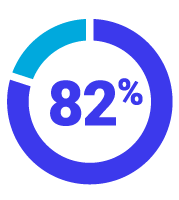 …said consumer preference for sustainable products continue to drive adoption of sustainability initiatives in their supply chain
In today's dynamic business landscape, companies find themselves struggling with escalating cost pressures. The focus now is to proactively embrace innovative strategies and technologies to not only weather this storm but also seize bigger opportunities for cost-cutting measures. Many business leaders today are feeling the weight of rising energy prices. However, cloud-based solutions are designed to optimize resource utilization and energy efficiency in data centers. The enhanced supply chain visibility and flexibility afforded by these technologies allow companies to identify and rectify inefficiencies, reduce inventory levels, and eliminate waste from pre-printed label stock. It also minimizes transportation costs, eventually leading to considerable savings across the enterprise. By hosting mission-critical business processes such as labeling in the Cloud, companies can reduce their energy consumption and carbon footprint, resulting in lower utility bills and reduced environmental impact - all while aligning with their sustainability goals.
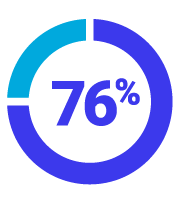 …reported reductions in environmental impact, such as reduced product and packaging waste, carbon emissions, or resource consumption, as a result of using cloud.
*Gartner, 2022 Sustainability Survey: Use Sustainability to Drive Value and Mitigate Disruption. Sarah Watt, Kristin Moyer, Lauren Wheatley
In an era marked by global interconnection, the dynamics of supply chains are evolving at an unprecedented pace. As businesses expand their operations, diversify sourcing, and navigate unforeseen disruptions, supply chain management continues to grow increasingly complex. With a surge in regulatory requirements, global teams, consumer demands for transparency, and an ever-expanding variety of goods, a product's journey through the supply chain has become more complicated than ever before. To meet these challenges head-on, business leaders are embracing cutting-edge technologies like the cloud. This presents a transformative solution that will help them effectively navigate the intricacies of modern supply chains. An increasing number of business leaders are recognizing the direct connection between labeling and supply chain health. With this in mind, cloud technology offers real-time updates and scalability along with immediate access to solutions and data. Additionally, centralizing data ensures consistency and accuracy across the supply chain so that labels always reflect the latest information. This approach also ensures agility for changing production requirements and helps to safeguard business continuity. Furthermore, it’s clear that cloud technology fosters remote collaboration globally across teams and suppliers, enabling both internal and external stakeholders to contribute and approve labels from anywhere in the world.
 …reported integration with business applications as a top challenge impacting supply chain labeling
Providing simplified and controlled access to centralized solutions, as well as label data and templates, streamlines the entire labeling process. It also ensures that partners and suppliers can utilize existing accurate and compliant label templates, which can be accessed centrally from any location. This saves suppliers significant time and effort from creating and updating labels that may or may not meet brand standards or display the right content and format needed by the receiving company. A centralized solution of course helps to avoid potential mislabeling as well as costly and time-consuming relabeling of inbound goods. An Enterprise Labeling approach also allows you to rapidly onboard new suppliers, wherever they’re located across your global network. You can empower businesses to mitigate compliance risks, enhance transparency between suppliers and consumers, and maintain a consistent and reliable supply chain.
 …reported managing inbound goods from suppliers created their biggest supply chain disruption over the past few years
Many companies have experienced bottlenecks caused by disruptions in warehousing, distribution, or even facility closures. In this situation, companies have found themselves needing to shift production from one location to another which also means they must be able to move labeling to that new site. This shift must be done quickly and in a compliant and consistent manner to ensure continuous operations, or at least to minimize downtime. Cloud-based applications provide greater control allowing companies to drive labeling centrally and immediately fail over to any local instance – ensuring uptime and reducing risk. This is critical in maintaining business operations in the case of any outages, shutdowns, or supply chain disruption. You also have centralized access to manage any label changes to ensure continuous operations quickly and easily. In the long run, this approach proves to be an indispensable tool for maintaining the continuity of production and shipping in the ever-evolving supply chain landscape.
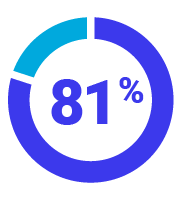 …said production and/or shipping comes to a halt if labeling fails
In 2024 and beyond, supply chain collaboration involving multiple stakeholders, including suppliers, manufacturers, and distributors, is poised to become more critical than ever with cloud-based solutions playing a pivotal role. Enterprise Labeling enables collaboration by providing a centralized platform where all parties can access, edit, and approve labels in real-time. It also streamlines communication and fosters transparency, which reduces miscommunication or errors that can disrupt the entire supply chain. Moreover, cloud solutions offer remote access, which is especially crucial in today’s globalized marketplace, allowing sources from different regions to collaborate seamlessly. Supply chain collaboration is no longer just a competitive advantage but an essential strategy for navigating an increasingly complex and volatile business environment. As supply chains continue to evolve, cloud technology will be the linchpin that connects all stakeholders, enabling a more efficient, adaptive, and collaborative approach to supply chain management.
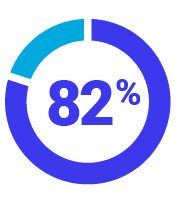 …believe that extending labeling to partners and suppliers helps to avoid delays and costs associated with relabeling goods upon receipt
Managing the high volume of customer requirements and evolving global regulations proves to be a hurdle in navigating today's global dynamic supply chain. And a wide range of industries from automotive, electronics and manufacturing to consumer products and life sciences are each faced with their own set of challenges. When these requirements aren’t met it can result in penalties, hefty fines, customer dissatisfaction, inability to enter new regions, and brand damage. This is especially true in highly regulated industries like Food & Beverage and Life Sciences where consumer safety is an even bigger concern. This is why more companies are embracing automation and standardized solutions which help them meet their own unique requirements. These companies are also looking for comprehensive solutions that address all their printing needs. Additionally, many industries are continually exploring new ways to enhance transparency in their supply chains by embracing technologies like digital passports which also aid in meeting corporate ESG initiatives.
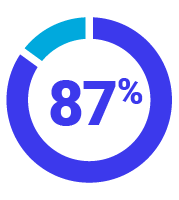 …of respondents said they’ve experienced a direct impact on their business due to supply chain disruptions
In an environment where cost-cutting measures and operational savings have become expected, companies across a wide range of industries are not only looking for creative new ways to extend ROI, but are also looking for ways to improve and control noncompliance which can result in penalties and hefty fines. This has become especially challenging as global regulations and the speed at which they change are continuing to have a significant impact on business. With new standards and regulations dictating requirements throughout a wide range of industries (such as DSCSA, FSMA, EU MDR, UDI, GHS, and more), labeling and packaging have become recognized as critical functions for meeting compliance. As requirements increase, companies must find more efficient ways to showcase unique data attributes and formatting standards including pictograms, regional requirements, and a vast array of other regulatory content. In fact, constant change is necessary to comply with evolving requirements. This is why labeling must be both dynamic and data-driven for companies to quickly respond while ensuring accuracy and consistency to avoid fines, secure entry into new markets, and ensure safety. Implementing a comprehensive Enterprise Labeling solution allows companies to integrate with sources of truth, access centralized data and use business logic to address requirements so they can more easily manage regulatory variations. This approach minimizes the risk of errors leading to costly recalls and fines and helps companies meet requirements with increased speed and agility.
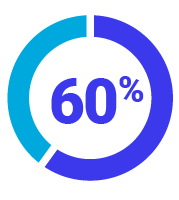 ...reported that evolving global regulations are resulting in fines/penalties lost revenue and loss of business
Companies today are recognizing the benefits of automation and digitization, resulting in a notable increase in the adoption of single-platform solutions for mission-critical business processes such as cloud labeling and printing. This type of standardized platform reduces redundancies, increases efficiencies, and saves time and expense. This is why companies today are seeking this type of “one size prints all” solution that can meet the full scope of their requirements for bringing products to market quickly, efficiently, and more competitively. Marking and coding systems, for example, once characterized by ‘closed-looped systems’ with separate, purpose-built software requiring manual operation are now becoming connected, integrated, and controlled by unified systems. This is especially important for industries like Food & Beverage, Consumer Products, and Life Sciences where more products, shorter runs, and faster turnaround are critical. It is even more important to avoid mislabeling and inevitable recalls caused by manual entry since this can create waste and delays and most importantly can impact patient outcomes. It can literally mean a matter of life or death. Now best of best-of-breed Enterprise Labeling solutions manage all print devices from one place, integrating with single sources of truth to offer an intuitive user interface for operators to perform their jobs efficiently, without errors to boost productivity.
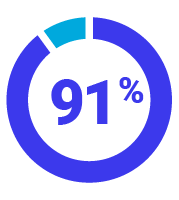 ...reported that they see an advantage of using a single platform to support thermal transfer type labeling, as well as direct marking and coding
Industries subject to stringent regulations continue to actively seek and embrace new ways to enhance transparency within their supply chains. To keep pace with evolving consumer expectations, they are increasingly looking for new ways to create visibility and ensure sustainability across their global enterprise. One concept has emerged as a pivotal game-changer for businesses and consumers alike: the Digital Product Passport (DPP). The DPP offers a method of digitally recording product information, in particular the traceability of the product and its components across the entire supply chain. By furnishing consumers with comprehensive insights into a product's origin and manufacturing processes, digital passports become instrumental in guiding purchasing decisions. Additionally, the adoption of Digital Product Passports plays a pivotal role in addressing both consumer and regulatory compliance challenges. From a product perspective, there are many categories that will eventually be required to include a DPP on their goods. Those include but are not limited to batteries, apparel, electronics and construction materials. On an individual product basis, the DPP will affect virtually every party along the supply chain, including manufacturers, distributors, and consumers.
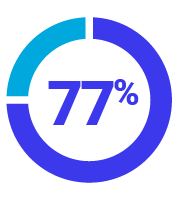 ...believe that further integration of digital product passports into the supply chain could lead to more efficient supply chain management
End-to-end traceability is more critical than ever in today's complex and interconnected business environment. It not only helps organizations meet regulatory requirements but also contributes to operational efficiency, risk mitigation, and the building of trust with both businesses and consumers. As technology continues to advance, the implementation of robust traceability systems in the supply chain will become even more integral to the success of organizations. Without a cohesive view of the supply chain, errors like undeclared allergens, mislabeling, and inaccurate packaging graphics continue to be leading causes of launch delays, customer dissatisfaction, and product recalls. These issues result in fines and penalties, costing manufacturers millions of dollars in lost sales and damage to brand trust. To help identify and mitigate potential pitfalls, using cloud-based technology ensures full traceability for all parties, providing a clear and auditable record of the entire production and supply chain process.
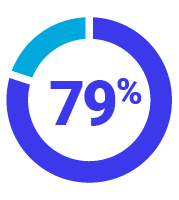 ...said global traceability is a priority for their business
In recent years, consumers have heightened expectations for the supply chain, seeking speedy product delivery and demanding transparency regarding the origin and details of their purchases. Organizations are continually reviewing how they can meet and improve these expectations and demonstrate accountability. With the increased requirement for ‘delivery to your doorstep’, more suppliers and third parties must integrate with each other to meet demand. This adds additional complexity to the supply chain. Labeling and packaging are pivotal components in global supply chains and are interwoven throughout – the capability to standardize and centralize with a configurable Enterprise Labeling solution is therefore key. By allowing access to cloud-based solutions, regional manufacturers, distribution centers, and third parties can demonstrate full traceability and provide organizations with brand consistency, and a reduction in errors, while also avoiding relabeling.
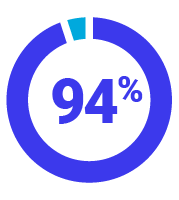 ...reported that they think global traceability will increase in importance within the next three years
The brand damage generated by recalls (and the mishandling of them) can be extensive. Not only does it affect a company's reputation, but it can also change its financial profile and hinder its performance in the market. It can take organizations years to recover their brand integrity. Specifically in regulated industries, the stakes are high, involving not just products but human life. The ability to quickly identify issues and manage recalls can make an enormous difference. And so, in the supply chain, we know it’s not about the label, but the data that lies beneath. Collaboration and digital transformation of processes are key to elevating traceability. Cloud-based solutions enable faster and more efficient ways to identify products for recall and the speediest way to pinpoint and retrieve where they are in the supply chain. In turn, this will minimize errors, ensure compliance, reduce financial implications, remove other knock-on financial implications, and help to ensure consumer safety.
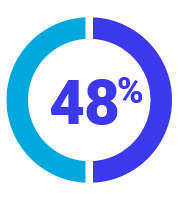 ...believe the biggest risk associated with not being able to track products through global supply chain is inability to effectively manage recalls
Traceability and anti-counterfeiting are important models in supply chain management and product authentication. These concepts are closely related and are critical in various industries, especially when it comes to ensuring the authenticity and integrity of products throughout their lifecycle. Although counterfeiting and the diversion of products stretch across most industries, regulated products such as pharmaceuticals, chemicals, and food have serious implications for consumers. Dropping the gavel on counterfeit products is a priority for organizations for multiple reasons including preventing danger to end users, loss of brand reputation, and lost revenue. Traceability in the supply chain, through labeling, packaging, and beyond, supports anti-counterfeiting. And, by implementing secure labeling methods, you can deter counterfeiters from replicating product labels and packaging.
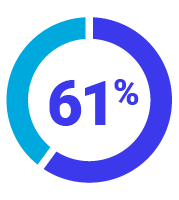 ...are currently using track and trace methods to ensure product and brand authenticity
Companies of all sizes continue to navigate labor constraints, inflationary pressures, and raw material outages, all of which contribute to ongoing supply chain disruption. To manage this global impact, forward-thinking businesses are looking to accelerate their digital transformation programs by investing in cutting-edge technologies, such as cloud computing, artificial intelligence, and IoT solutions, to enhance operational efficiency and resilience. The impact of cloud technology is already apparent in the business world where organizations have embraced a cloud-first strategy for many of their mission-critical business systems including enterprise resource planning (ERP), customer relationship management (CRM), and inventory management, among others. Businesses that manage inventory, customer service, and logistics in the Cloud are beginning to do the same with their labeling, ultimately gaining unmatched efficiency, scalability, and flexibility. Whether supporting remote workforces, striving for better collaboration across the enterprise, or working to improve the customer experience, these solutions help organizations meet their digital transformation goals. Companies that prioritize digital transformation now can reap the benefits of a streamlined business and intelligent supply chain to adapt their business model and deliver results while staying relevant in this shifting global landscape.
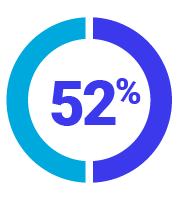 ...reported using public or private cloud as their preferred deployment for enterprise applications
In today’s business landscape, manual processes represent barriers to growth and scale. It’s clear that for companies still managing siloed and disconnected legacy solutions, continuity is at risk and valuable time and savings can be lost. This is especially true when it comes to labeling. However, once digitized, manual processes give way to the seamless exchange of data and allow companies to maintain existing systems and user interactions that improve overall efficiencies. Current innovative cloud-based technologies provide new levels of control and consistency, enabling business users to dynamically make changes to adapt to complex labeling variations and meet evolving customer and regulatory demands. Additionally, automating critical paths with real-time intelligent workflows clearly identifies projects that are behind schedule or at risk of running late, enabling organizations to take proactive corrective action to eliminate bottlenecks, improve time to market, and ensure compliance. The persistent struggle with manual processes across the supply chain underscores the need for a concerted effort to embrace technology and streamline operations to meet the demands of an increasingly complex and fast-paced business environment. Companies who do so will not only insulate themselves from ongoing supply chain challenges but will also set themselves up for future success.
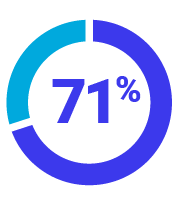 ...credited automated labeling for reducing labeling and artwork errors
Organizations persist in adapting their strategies to navigate the dynamics of the current global supply chain. In order to thrive in the demanding environment and maintain seamless operations, companies must be ready to explore alternative ways to optimize business processes and create new efficiencies. Corporate leaders increasingly acknowledge the direct link between supply chain health and labeling. Cloud technologies are now a key focus, enabling the expansion of labeling operations to new partners and suppliers, ensuring continuous uptime, offering device and location independence, accommodating a remote workforce, and ensuring seamless movement of parts and products without delays – both upstream and downstream. The Cloud's scalability, real-time collaboration tools, and data analytics capabilities empower businesses to adapt and respond swiftly to market changes and customer demands. By capitalizing on these benefits, businesses can achieve greater operational efficiency, customer satisfaction, and resilience in the face of ongoing disruptions.
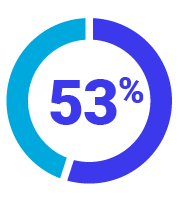 ...view the most important benefits of labeling in the cloud to be eliminating bottlenecks and improved time to market
AI technology is advancing at a blindingly fast pace, and its transformative potential will almost certainly extend to every industry in the coming years. The link between AI and Cloud is a crucial and symbiotic relationship that will play a fundamental role in the development and deployment of AI applications across the supply chain. Cloud platforms offer the infrastructure needed for AI model training and execution, along with easy access to vast datasets. Additionally, the cloud's flexibility allows AI workloads to scale up or down as required, making it a cost-efficient solution for a range of companies. It also facilitates easy collaboration and accessibility for AI solutions, while cloud providers often offer pre-built AI services, further simplifying AI development. Also, the robust security and compliance features further ensure the safe and efficient operation of AI systems. The combination of AI and the Cloud is a powerful enabler for automating complex tasks across operations, such as real-time monitoring of labeled products, managing inventory, and enhancing overall operational efficiency. Working in tandem, these technologies can analyze large datasets and inspect labels at a swift pace to ensure quicker error detection and correction. As increasingly sophisticated algorithms emerge, these advancements promise to deliver numerous benefits, fostering improved accuracy, heightened agility, and accelerated production.
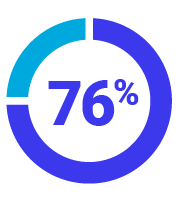 ...think AI will be an important part of their business operations and supply chain within the next three years
In the changing landscape of global commerce, businesses of all sizes find themselves faced with pressing challenges and transformative opportunities within their supply chains. As these companies plan for 2024 and beyond, the combination of geopolitical uncertainties, climate instability, and the threat of recession continues to impact agility, resilience, and profitability. Organizations are grappling with disruptions that extend far beyond the traditional scopes, requiring a strategic recalibration to weather the storm and emerge stronger in the face of adversity.
The driving force behind this era of supply chain evolution is a technological resurgence
As companies deal with the complexities of activities such as logistics optimization, inventory management, and demand forecasting, a commitment to bolstering digital transformation strategies through investment in innovative technologies such as the Cloud will be critical. Gartner predicts that more than 50% of enterprises will use industry cloud platforms to accelerate their business initiatives by 2027*. By taking a cloud-first approach, organizations can fortify their supply chains against both current and future uncertainties.
This report is based on our survey of hundreds of professionals from organizations across all major industries and 55 countries. Within it you will find:
Cloud makes it possible to quickly deploy new technologies at scale while simultaneously reducing risk. As AI captures the imagination of technology and business leaders, the agility provided by cloud enables organizations to deliver continuous value for both internal and external stakeholders.**
*Gartner, Top Strategic Technology Trends 2024. Bart Willemsen, VP Analyst.
** IDC FutureScape: Worldwide Cloud 2024 Predictions.